
White House Press Secretary Karoline Leavitt is escalating her war with the media, accusing journalists of spreading hysteria and lies as the administration moves more aggressively than ever to clamp down on reporting it does not like, even as President Donald Trump continues issuing extreme threats toward Iran with no clear end in sight.
“While President Trump Directed Heroic Rescue, the Radical Left Spread Deranged Lies,” Leavitt fumed in an X post Tuesday, April 7, dismissing widespread concern over Trump’s increasingly volatile rhetoric as his deadline for Tehran to reopen the Strait of Hormuz loomed.
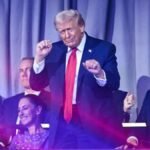
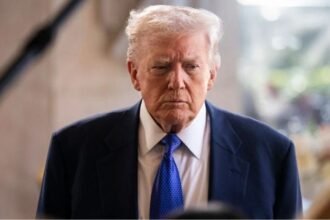
Trump warned that “a whole civilization will die” if Iran did not comply, then doubled down with an expletive-filled rant threatening destruction while oddly ending with “Praise be to Allah,” a phrase meant to convey peace and reassurance, not war.
But as backlash exploded online, the administration’s posture toward the press took a sharper and more ominous turn.
While President Trump Directed Heroic Rescue, the Radical Left Spread Deranged Lieshttps://t.co/HKLoA8s0yj
— Karoline Leavitt (@PressSec) April 7, 2026In a move critics say signals a new phase in its crackdown on media sources, federal prosecutors this week charged a former U.S. Army employee with allegedly leaking classified information to a journalist, raising alarm among press freedom advocates who see it as part of a broader effort to intimidate whistleblowers and the reporters who rely on them.
Courtney Williams, 40, who previously worked with Delta Force at Fort Bragg, was arrested and indicted after communicating with a journalist whose reporting exposed allegations of sexual harassment and misconduct inside the elite unit. Prosecutors claim she shared classified materials, including documents and messages, and now she faces up to 10 years in prison.
The journalist tied to the reporting defended Williams as a whistleblower who helped bring disturbing behavior to light, accusing the Justice Department of retaliating against her for speaking out.
The timing has only intensified scrutiny, with critics arguing the administration is not just pushing back on negative coverage but actively trying to scare sources into silence.
Online, the reaction was immediate and blistering, with many connecting the dots between Leavitt’s attacks and the new criminal case.
“This isn’t about national security, it’s about silencing people who embarrass them,” one user wrote.
Another added, “So now if you speak to a journalist about misconduct, you risk prison. That’s where we are?”
Others accused the administration of going further than previous ones in targeting the press ecosystem itself.
“They’re not even hiding it anymore. Go after the reporters, go after the sources, shut it all down,” one post read.
Meanwhile, Leavitt’s claims about Trump “directing” a heroic military rescue were widely mocked, fueling a second wave of outrage.
“This admin. has failed so badly they have to invent hero stories,” one user wrote.
“I’m trying to picture Trump directing a mission without laughing,” another joked.
“He tweeted it. The whole world saw it. And now we’re supposed to pretend it didn’t happen?” a third added, referencing Trump’s own posts threatening Iran.
Others zeroed in on the contradiction between the administration’s messaging and Trump’s rhetoric.
“You can’t scream about ‘deranged lies’ while your boss is threatening to wipe out a civilization in all caps,” one viral post read.
As the war drags into its seventh week, the fallout continues to mount. Gas prices have surged, oil costs have spiked, and supply chains are tightening as the Strait of Hormuz remains a flashpoint. Thousands have been killed across Iran and southern Lebanon, with American casualties rising in retaliatory strikes.
But instead of easing tensions, the administration appears to be widening its fight, not just overseas but at home, taking direct aim at the media, the sources behind major stories, and anyone seen as challenging its narrative.