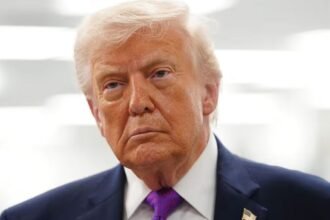

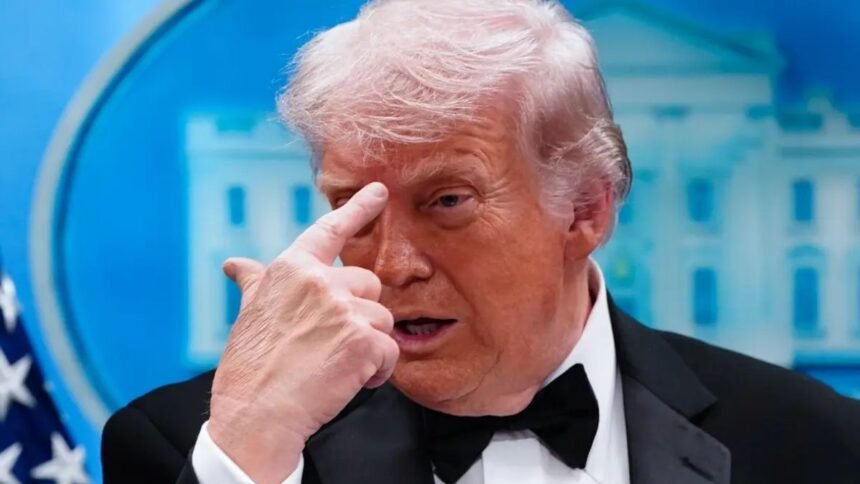
President Donald Trump got exactly the headline he wanted Friday night, or so he thought. He hijacked what should have been a quiet Mother’s Day weekend and turned it into a full political victory lap, launching a fresh attack on Democrats while furious Americans online instantly exposed the economic reality he had desperately tried to bury beneath the good news. The move backfired almost immediately, and the internet made sure he knew it.
Trump took to Truth Social Friday evening with a post that opened with “Happy Mother’s Day weekend” before pivoting hard into boastful economic claims. He celebrated the April jobs report, which showed 115,000 Americans found work last month. He also took direct shots at Bloomberg economists, Federal Reserve Chair Jerome Powell, and Democrats, accusing all of them of underestimating what he called “the strength of the Trump Economy.”
“More Americans are working today than ever before,” Trump wrote, closing with his familiar line about making America “wealthy and safe again.”
The timing was deliberate. Trump chose a holiday weekend, when Americans are distracted by family gatherings and celebrations, to push out a message he clearly hoped would land without much pushback. Instead, it landed like a match thrown into dry grass.
The Labor Department’s official numbers did offer Trump something real to point to. The U.S. economy added 115,000 jobs in April, comfortably beating economist projections of around 67,000 new positions. The unemployment rate held steady at 4.3 percent, unchanged from the previous month.
According to The Hill, the report was seen inside the White House as a badly needed political win. The administration is heading into the 2026 midterms under growing pressure from voters worried about inflation and rising energy costs tied to the ongoing Iran conflict. A strong jobs number gave Trump’s team exactly the kind of ammunition they were looking for.
But critics online were not ready to celebrate anything. Many Americans on social media saw the Mother’s Day themed post as a political move dressed up as a holiday greeting. For them, the cheerful framing felt completely disconnected from the financial stress millions of families are still living through every single day.
“The economy, the nation, and the Trump administration are definitely on fire!” one commenter shot back. “But it’s a dumpster fire!”
Trust in the numbers themselves also became a major flashpoint in the online backlash. Thousands of users questioned whether the data coming out of the administration could even be believed anymore. One critic challenged the credibility of the figures directly and bluntly.
“Who in their right mind actually believes any numbers that come from this administration?” the person wrote. “He fired the professionals and installed loyalists. Those numbers are more cooked than a Thanksgiving turkey.”
That skepticism has real roots and a real paper trail. Trump has previously clashed with career government statisticians, and he threatened to fire Federal Reserve Chair Jerome Powell if Powell did not step down once his term ended. Critics argue those moves have made it genuinely harder for ordinary Americans to trust the independence of economic reporting coming out of Washington.
Others pushed back hard on the bigger picture hiding behind the one-month jobs gain. A single good month, they argued, does not erase a pattern of slower growth that has defined most of the year. The comparison they reached for was cutting.
“Jobs are up for one month but are down overall since the beginning of the year,” another critic wrote. “That’s like a Band-Aid over a gunshot wound.”
That point carries real weight when you look at the full trend. Reuters reported that while April’s 115,000 gain beat expectations, the U.S. economy has added only around 420,000 total jobs since Trump took office. That pace runs far behind the Biden-era numbers the administration once criticized so loudly. A single strong month does not close that gap.
The larger economic anxiety gripping American households also has a very specific cause: energy prices. Inflation jumped 0.9 percent from February to March as the escalating conflict with Iran disrupted global oil supplies and sent crude prices sharply higher. Gas prices have since climbed to a four-year high, adding very real pain at the pump for working families in every corner of the country.
Trump has repeatedly dismissed those concerns, calling the price increases “fake inflation” and insisting the pain is temporary. He has also promised that gas prices will “drop like a rock” once the Iran conflict ends, though no clear timeline or credible plan for that outcome has ever been offered publicly. For millions of Americans filling up their gas tanks every week, that promise feels hollow.
That kind of messaging is simply not landing with frustrated voters the way the White House appears to believe it is. Many Americans described Trump’s Mother’s Day economic post as tone-deaf at best and deliberately misleading at worst. For people already stretching tight budgets at the grocery store and the gas station, a Truth Social victory lap feels very far removed from their daily reality.
The backlash also points to something much deeper than just one social media post. Trust in Trump’s economic narrative has been eroding steadily among voters who feel the growing gap between what the White House says and what they actually experience in their own bank accounts and kitchen tables. When a president frames a jobs report as a Mother’s Day gift while energy bills and grocery costs keep climbing month after month, many Americans do not see a celebration worth having. They see a distraction designed to hide what is really happening.
And as critics said plainly and repeatedly across social media, he got caught trying to pull it off. The holiday weekend gamble did not produce the warm reception the White House was counting on. Instead, it gave furious Americans one more reason to question the gap between the story being told in Washington and the life being lived everywhere else.