
A stunning revelation has emerged from newly released government files: Mark Epstein, brother of the late convicted sex offender Jeffrey Epstein, directly accused President Donald Trump of orchestrating his brother’s death in a tip sent to the FBI.
The allegation, buried among over three million pages of documents released by the Department of Justice under the Epstein Files Transparency Act, paints a disturbing picture of conspiracy theories swirling around one of the most controversial deaths in recent American history.

On February 22, 2023, Mark Epstein submitted an online tip to the FBI’s National Threat Operations Center, making a bold and explosive claim. Jeffrey Epstein did not die by suicide in his Manhattan jail cell in 2019, his brother insisted. Instead, he was murdered to silence him before he could reveal damaging information about powerful people.
“Jeffrey Epstein was murdered in his jail cell,” the tip stated plainly. “I have reason to believe he was killed because he was about to name names. I believe Presient (sic) Trump authorized is (sic) murder.”
The Independent confirmed the authenticity of the tip in a phone call with Mark Epstein this past Saturday. Despite two spelling errors in the original submission, the message was clear and deliberate. Mark Epstein included his personal contact information and computer IP address, both of which appear redacted in the public files. He also noted that his relationship to Jeffrey Epstein was “obvious” and added, “feel free to contact me.”
Yet according to Mark Epstein, no one ever did. Neither the FBI nor any other law enforcement agency followed up on his claim or reached out to investigate further. He declined to offer additional comments beyond confirming he made the tip.
The White House Pushes Back
The White House wasted no time responding to the allegations. A spokesperson directed media outlets to a Department of Justice press release from January 3, which accompanied the massive document dump. The release included a pointed warning: the files may contain “fake or falsely submitted images, documents or videos,” since everything sent to the FBI by the public was included without verification.
The press release specifically mentioned Trump, stating that some documents contain “untrue and sensationalist claims against President Trump that were submitted to the FBI right before the 2020 election.” The statement emphasized that these claims are “unfounded and false,” adding that if they held any credibility, they would have already been used against Trump politically.
The timing matters here. Mark Epstein’s tip came in early 2023, well after the 2020 election. But the broader release includes materials submitted over several years, some clearly intended to damage Trump during his campaigns and presidency.
A Brother’s Persistent Doubts

Mark Epstein, a real estate developer who lived in the shadow of his infamous brother, has never accepted the official explanation. Jeffrey Epstein was found dead in his cell at the Metropolitan Correctional Center in New York on August 10, 2019, while awaiting trial on federal sex trafficking charges. Authorities ruled it a suicide, but the circumstances raised immediate questions and fueled widespread speculation.
Last month, Mark Epstein doubled down on his position during an interview with NewsNation. “Jeffrey was murdered, and more autopsy facts will be coming out in February that prove it,” he declared confidently. He outlined what he sees as the only three possibilities for death in prison: suicide, natural causes, or murder. In his mind, murder is the only explanation that fits.
“Jeff was murdered. I want to know who killed him and on whose behalf,” he told the cable news network.
Mark Epstein has also suggested his brother possessed compromising information on numerous powerful figures, including political candidates during the heated 2016 presidential election. According to Mark, Jeffrey once claimed that revealing what he knew could have “canceled the election” entirely. While Jeffrey never shared specifics with his brother, Mark remains convinced that Trump was among those his brother had “dirt” on.
The Trump-Epstein Connection
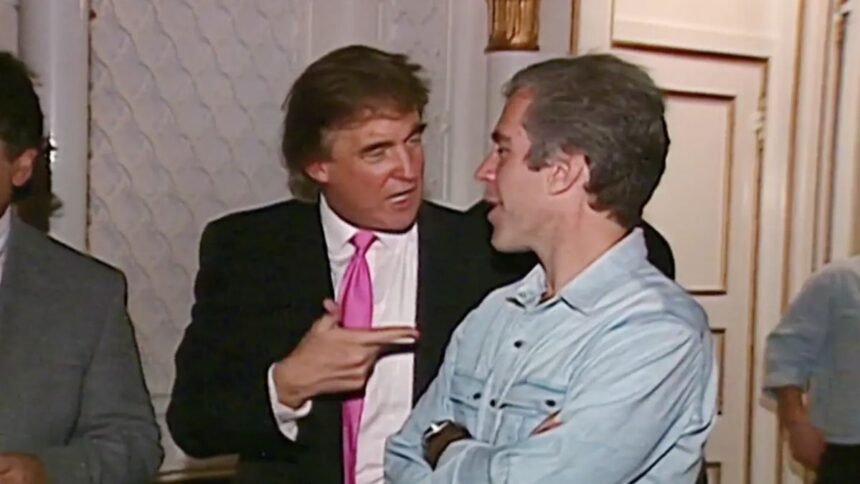
The relationship between Donald Trump and Jeffrey Epstein has long been a subject of intense scrutiny. The two men moved in the same elite social circles in New York and Palm Beach for years. In a 2002 interview with New York Magazine, Trump spoke warmly of Epstein, calling him “a terrific guy” and noting that both men appreciated beautiful women.
But after Epstein’s 2019 arrest on sex trafficking charges, Trump’s tone shifted dramatically. Speaking to reporters, he claimed, “I had a falling-out with him a long time ago. I haven’t spoken to him in 15 years. I was not a fan of his; that I can tell you.”
Mark Epstein disputes Trump’s version of events. In a November interview with NewsNation, he stated bluntly, “You could see in the emails; Trump could deny it all he wants, but it’s pretty clear everything Trump says is a lie.”
The newly released files contain thousands of references to Trump, though much of the material consists of unverified public submissions rather than official investigative documents. Critics argue this flood of unfiltered information makes it difficult to separate credible evidence from baseless accusations and conspiracy theories.
The Bigger Questions
The release of these files raises uncomfortable questions about transparency, truth, and the nature of public records. When the government publishes millions of pages without verification or context, what responsibility do readers have to separate fact from fiction? How should we weigh the claims of a grieving brother against the official findings of medical examiners and federal investigators?
Jeffrey Epstein’s death has become a focal point for conspiracy theories across the political spectrum. Some see sinister forces at work to protect the rich and powerful. Others view the endless speculation as a distraction from the very real crimes Epstein committed and the victims he left behind.
Mark Epstein’s tip to the FBI, now public for all to see, adds another layer to this complicated story. Whether his accusations represent a genuine belief in a massive cover-up or the desperate attempt of a brother seeking answers, they underscore how the Epstein case continues to haunt American public life.
The truth about what happened in that jail cell may never satisfy everyone. But as long as documents like these continue to surface, the questions will persist. And the name Jeffrey Epstein, along with everyone connected to him, will remain part of our national conversation about power, justice, and accountability.
For now, Mark Epstein’s FBI tip stands as one more piece in an endlessly complex puzzle—a puzzle that seems to grow more tangled with each new revelation.